Top 7 National Parks in Ghana (Wildlife & Travel Guide 2026)
A complete guide to the best national parks in Ghana for safari, wildlife, and nature travel.
Ghana is one of West Africa's best-kept secrets for wildlife and nature travel. While it may not have the big-name safari reputation of East or Southern Africa, the country packs a real punch: elephants in the north, rainforest canopy walks in the centre, and easy day trips from the capital. If you're planning a safari in Ghana or simply want to know where to find the best national parks, this guide covers the top seven—from the famous Mole and Kakum to lesser-known Bui, Digya, Kyabobo, Ankasa, and Shai Hills.
Wildlife in Ghana is diverse. Savanna parks support elephants, antelope, and primates; rainforest reserves hold forest elephants, monkeys, and hundreds of bird species. Whether you have a weekend or two weeks, there's a park that fits. Below we rank the best national parks in Ghana and give you the practical details you need—location, what to see, when to go, and where to stay—so you can plan your trip with confidence.
The 7 Best National Parks in Ghana
From classic savanna safari to rainforest walks and easy escapes from Accra, here are Ghana's top national parks and reserves—each with something different to offer.
1. Mole National Park
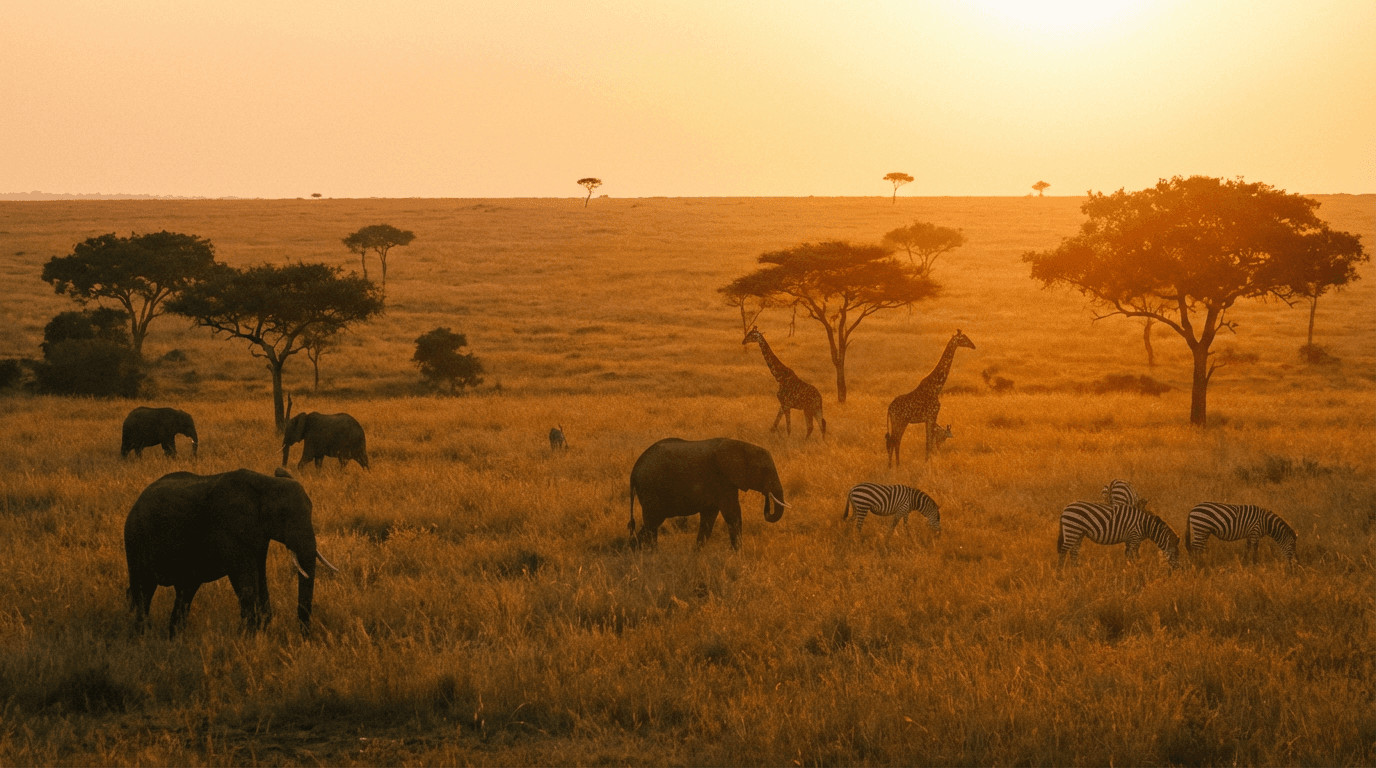
Mole is Ghana's largest national park and its premier safari destination. Open savanna and woodland stretch across the Northern Region, home to elephants, kob, waterbuck, hartebeest, warthogs, baboons, and more. Guided game drives in open vehicles and walking safaris are the main activities; book in advance in the dry season.
Location: Northern Region, about 3–4 hours by road from Tamale.
Animals you can see: African elephant, kob, waterbuck, hartebeest, warthog, olive baboon, green monkey. Leopards exist but are rarely seen. Good birdlife.
Best time to visit: November to March (dry season), when wildlife concentrates at water.
Why visit: The only park in Ghana that feels like a classic African safari. Best chance for elephants and big-game viewing.
Travel tips: Use a 4x4 or organised tour from Tamale. Allow at least two nights. Bring sun protection and book game drives ahead.
2. Kakum National Park
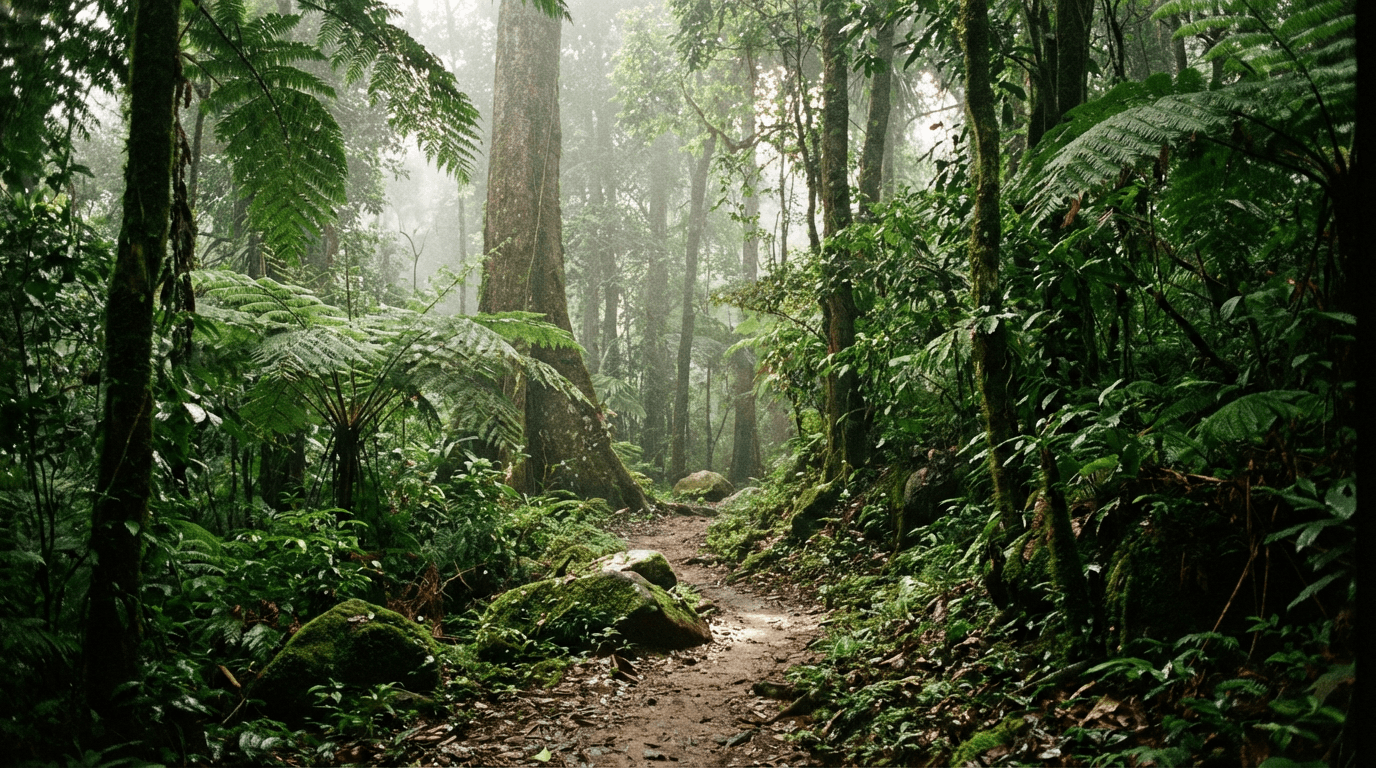
Kakum protects a tract of tropical rainforest in the Central Region and is famous for its canopy walkway—suspended rope bridges high in the trees. Guided forest walks and night walks are also offered, and the park is one of Ghana's top spots for birdwatching. An easy day trip from Cape Coast or part of a longer trip from Accra.
Location: Central Region, about 30 km north of Cape Coast.
Animals you can see: Rainforest birds, forest elephants (elusive), monkeys, butterflies. Best experienced from the canopy and on guided trails.
Best time to visit: Year-round. Mornings are best for the canopy walk and bird activity.
Why visit: Unique canopy experience and easy access from the coast. Combines well with Cape Coast Castle.
Travel tips: Book the canopy walk in advance in peak periods. Wear closed shoes and bring insect repellent.
3. Bui National Park
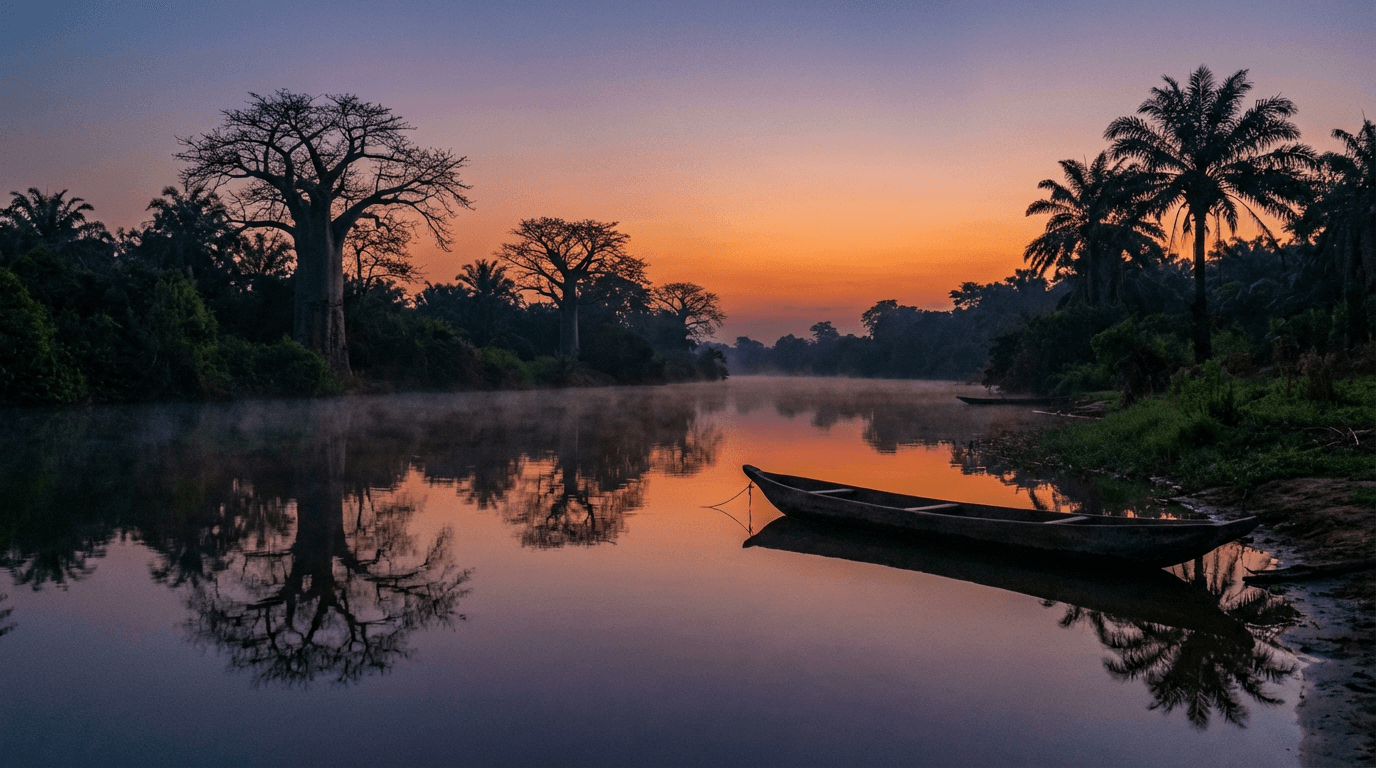
Bui National Park lies in the Bono Region and is known for its riverine habitat and hippo populations along the Black Volta. The park mixes savanna and gallery forest and supports hippos, various antelope, and primates. Less visited than Mole, it offers a more off-the-beaten-path safari in Ghana.
Location: Bono Region, west of the Black Volta River.
Animals you can see: Hippos, kob, waterbuck, baboons, monkeys, and diverse birds.
Best time to visit: Dry season (November–March) for easier access and wildlife viewing.
Why visit: Hippo sightings and a quieter, less touristy experience. Good for birders and nature lovers.
Travel tips: Check current access and permits; infrastructure is more basic than at Mole. Arrange transport and guides in advance.
4. Digya National Park
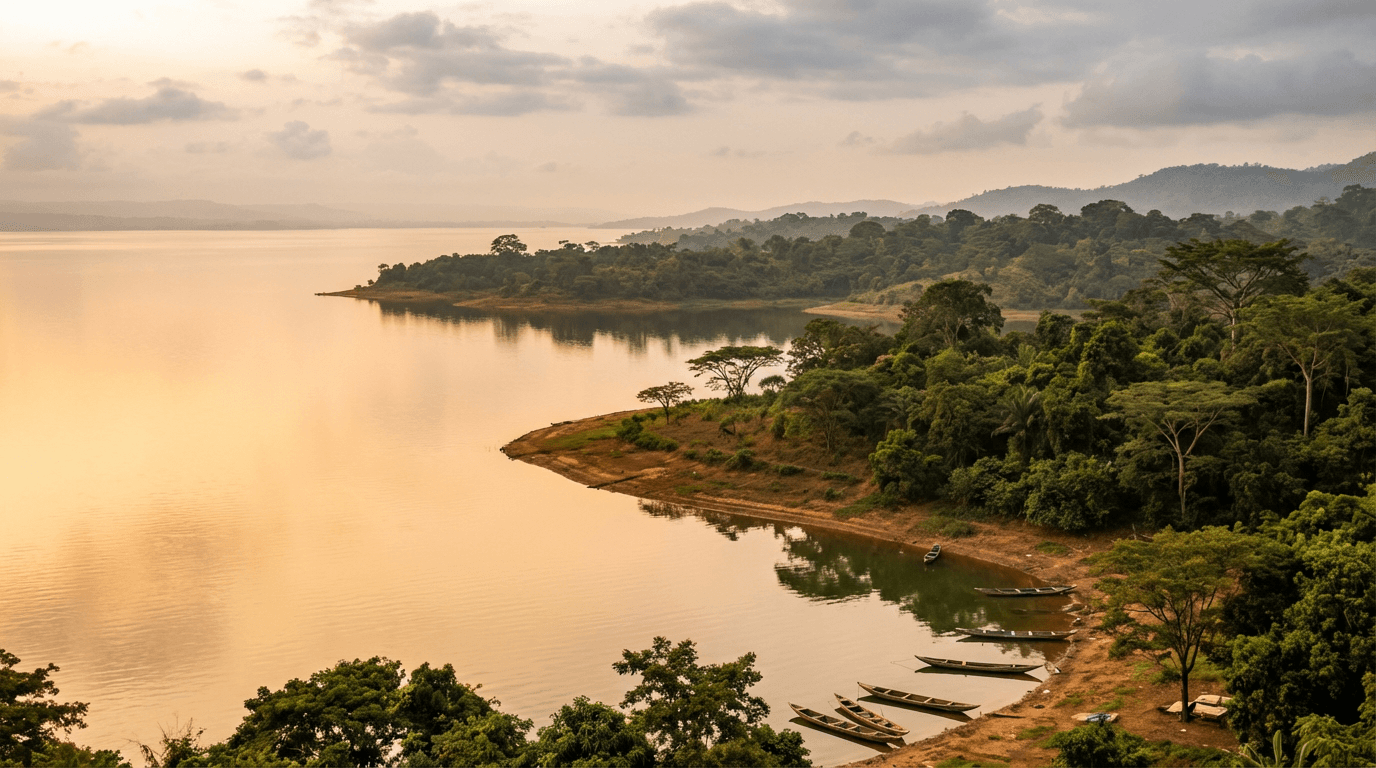
Digya National Park is one of Ghana's largest parks and sits on the western shore of Lake Volta. It is mostly woodland and savanna and supports elephants, antelope, and primates. Access is more challenging and tourism infrastructure is limited, so it suits adventurous travellers and those with time to arrange permits and transport.
Location: Bono East Region, bordering Lake Volta.
Animals you can see: Elephants, kob, waterbuck, baboons, and a variety of birds.
Best time to visit: Dry season. Confirm access and safety with authorities before planning a visit.
Why visit: Remote, wild experience with low visitor numbers. Lake and woodland scenery.
Travel tips: Research current conditions and secure local guidance. Not set up for casual tourism.
5. Kyabobo National Park
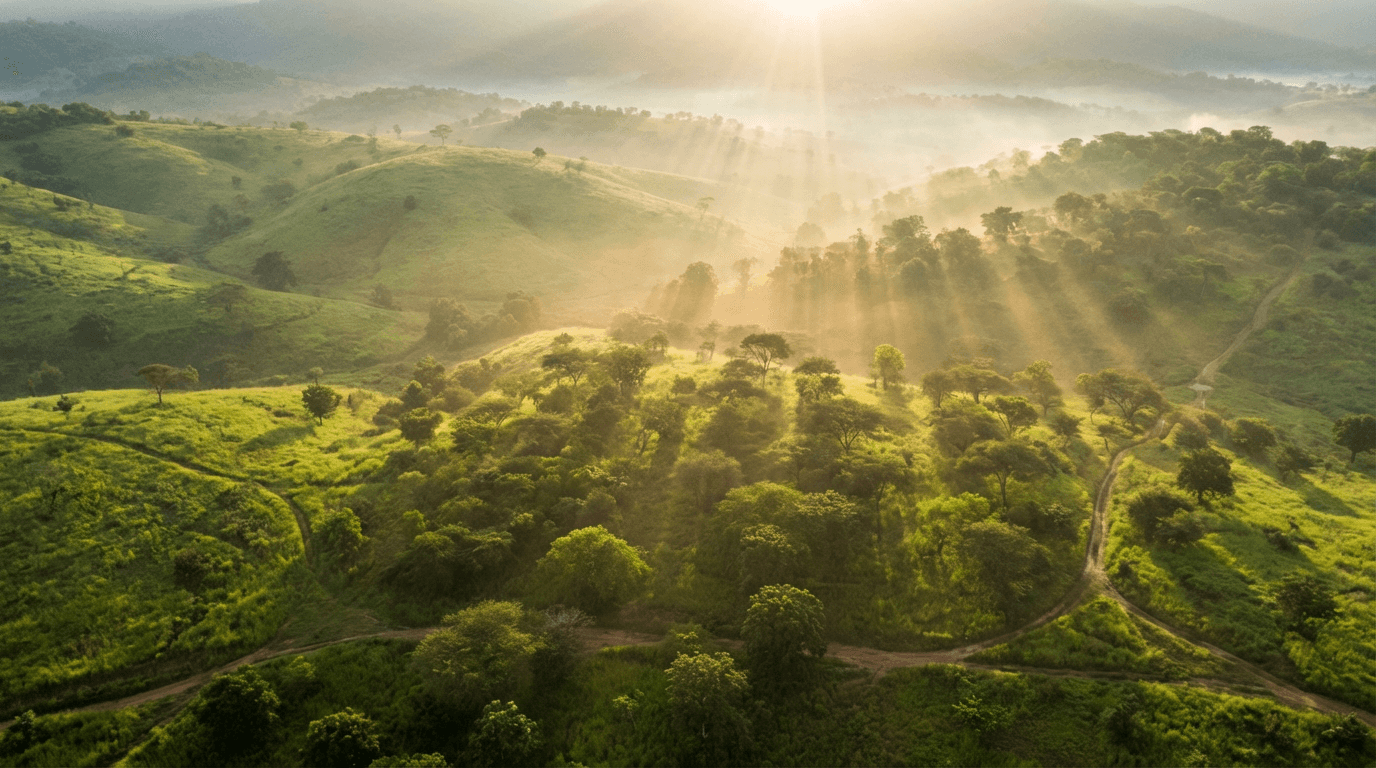
Kyabobo National Park lies in the Volta Region near the border with Togo. It protects a mix of savanna and forest and is known for scenic hills and wildlife including buffalo, antelope, and primates. The park is less developed for tourism than Mole or Kakum but offers hiking and nature experiences for those who arrange access.
Location: Volta Region, eastern Ghana.
Animals you can see: Buffalo, kob, bushbuck, monkeys, and rich birdlife.
Best time to visit: Dry season. Contact park or tour operators for current access.
Why visit: Scenic landscape and off-the-beaten-path wildlife. Good for hikers and birdwatchers.
Travel tips: Plan ahead; arrange guides and transport. Combine with Volta Region sights if time allows.
6. Ankasa Conservation Area
Ankasa Conservation Area is one of Ghana's most important rainforest reserves, in the Western Region near the border with Côte d'Ivoire. It holds dense tropical forest, rare species, and excellent birding. Forest elephants and primates occur but are hard to see. Ideal for serious nature and bird enthusiasts.
Location: Western Region, south-western Ghana.
Animals you can see: Forest elephants (elusive), monkeys, duikers, and many rainforest birds including rare species.
Best time to visit: Year-round for forest; dry season can be easier for access. Early morning for birds.
Why visit: Pristine rainforest and top-tier birdwatching. Less crowded than Kakum.
Travel tips: Arrange guides and transport in advance. Bring rain gear and insect repellent.
7. Shai Hills Resource Reserve
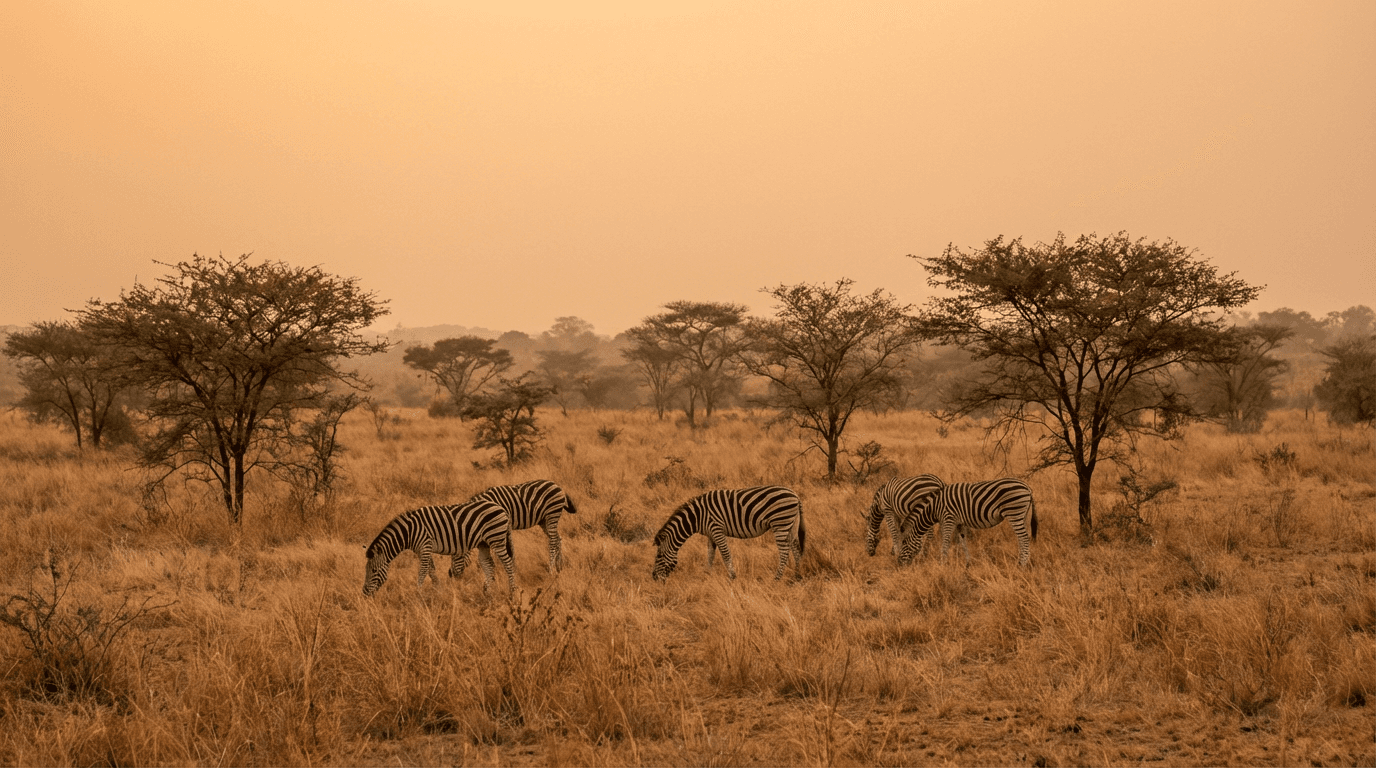
Shai Hills Resource Reserve is a compact wildlife area east of Accra and one of the easiest places in Ghana to see zebra, antelope, and baboons. Guided drives and walks are available; many visitors do a half-day or full-day trip from the capital. Perfect if you have limited time or want a taste of Ghanaian wildlife without a long journey.
Location: Greater Accra Region, about an hour's drive from central Accra.
Animals you can see: Plains zebra, kob, bushbuck, olive baboon, green monkey, and birds.
Best time to visit: Year-round. Mornings are best for wildlife activity.
Why visit: Easiest safari from Accra. Great for families and short stays.
Travel tips: Book a day tour from Accra for transport and guide. Combine with city sights if you like.
Best Time to Visit National Parks in Ghana
For savanna parks like Mole, Bui, and Shai Hills, the dry season (November to March) is best. Animals gather at waterholes, vegetation is thinner, and roads are easier. For rainforest parks like Kakum and Ankasa, you can visit year-round; mornings are best for birds and wildlife. Our best time to visit Ghana guide has more detail on seasons and planning.
How to Plan a Safari in Ghana
Start by choosing one or two parks that match your time and interests. Mole needs at least two nights from Tamale; Kakum and Shai Hills work as day trips from Cape Coast and Accra. Book guides and game drives in advance in peak season. Use our plan your safari page for itineraries and tour options, and check the safari price guide to budget.
Where to Stay Near Ghana's National Parks
For Mole, stay at or near the park (e.g. Mole Motel or nearby lodges). For Kakum, base yourself in Cape Coast. For Shai Hills, stay in Accra. Our where to stay page has more options and links to trusted booking platforms.
National Parks in Ghana: Frequently Asked Questions
Ready to Explore Ghana's Wildlife?
Ghana's national parks offer something for every traveller—whether you're after elephants in Mole, a canopy walk in Kakum, or a quick wildlife fix at Shai Hills. The best parks book up in peak season, so plan ahead and reserve guides and accommodation early. Use this Ghana travel guide as your starting point, then head to Where to Go to map your route and Plan Your Safari to compare tours. Ghana's wildlife is waiting.