Is Ghana Safe for Safari Travelers? (2026 Complete Safety Guide)
Fact-based Ghana travel safety for safari: parks, wildlife, cities, and health.
If you're planning a safari in Ghana, one of the first questions you might ask is: is Ghana safe for safari travelers? The short answer is yes—Ghana is widely considered one of the safer and more stable countries in West Africa for tourism. Thousands of visitors travel each year to Mole National Park, Kakum, Shai Hills, and other reserves without serious incident. This guide gives you practical, fact-based advice so you can enjoy Ghana's wildlife and culture with confidence.
Ghana travel safety depends on the same things as anywhere else: following local rules, using qualified guides in parks, taking care of your health, and using common sense in cities. Below we cover safari safety, wildlife safety, common risks, and the best time to visit from a safety perspective—plus simple steps you can take before and during your trip.
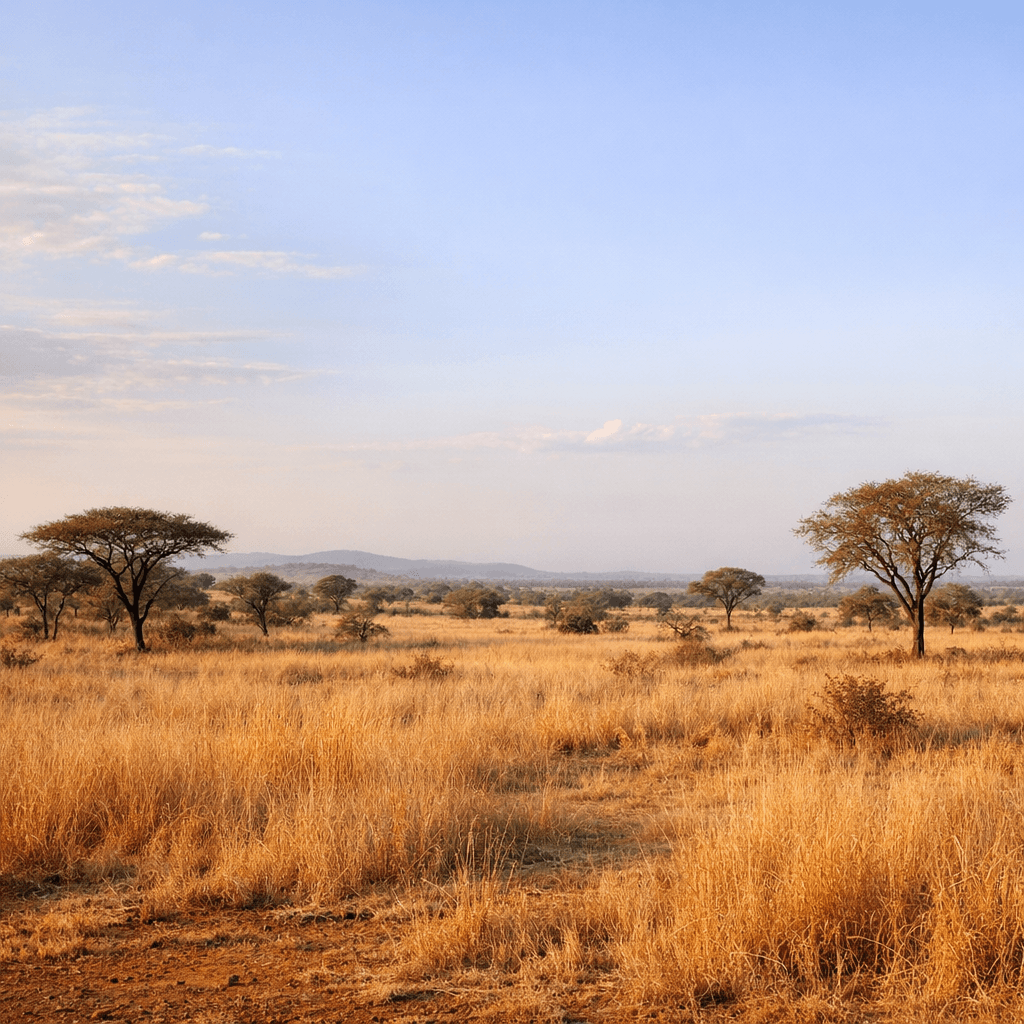
Wide savanna in northern Ghana—the kind of terrain you'll see on safari in Mole and surrounding areas.
Safari Safety in Ghana
Safari in Ghana is run through national parks and reserves with clear rules and trained staff. At Mole, Kakum, Shai Hills, and similar sites, you are required to be accompanied by a park ranger or licensed guide. Game drives use open vehicles; walking safaris are led by armed rangers who know the terrain and animal behavior.
This structure is designed for your safety and for wildlife protection. Stick to scheduled activities, stay with your guide, and do not approach or feed animals. Roads to some parks (e.g. Mole) can be rough—use a 4x4 or an organised tour with experienced drivers. Booking through reputable operators and the parks themselves reduces the chance of problems.
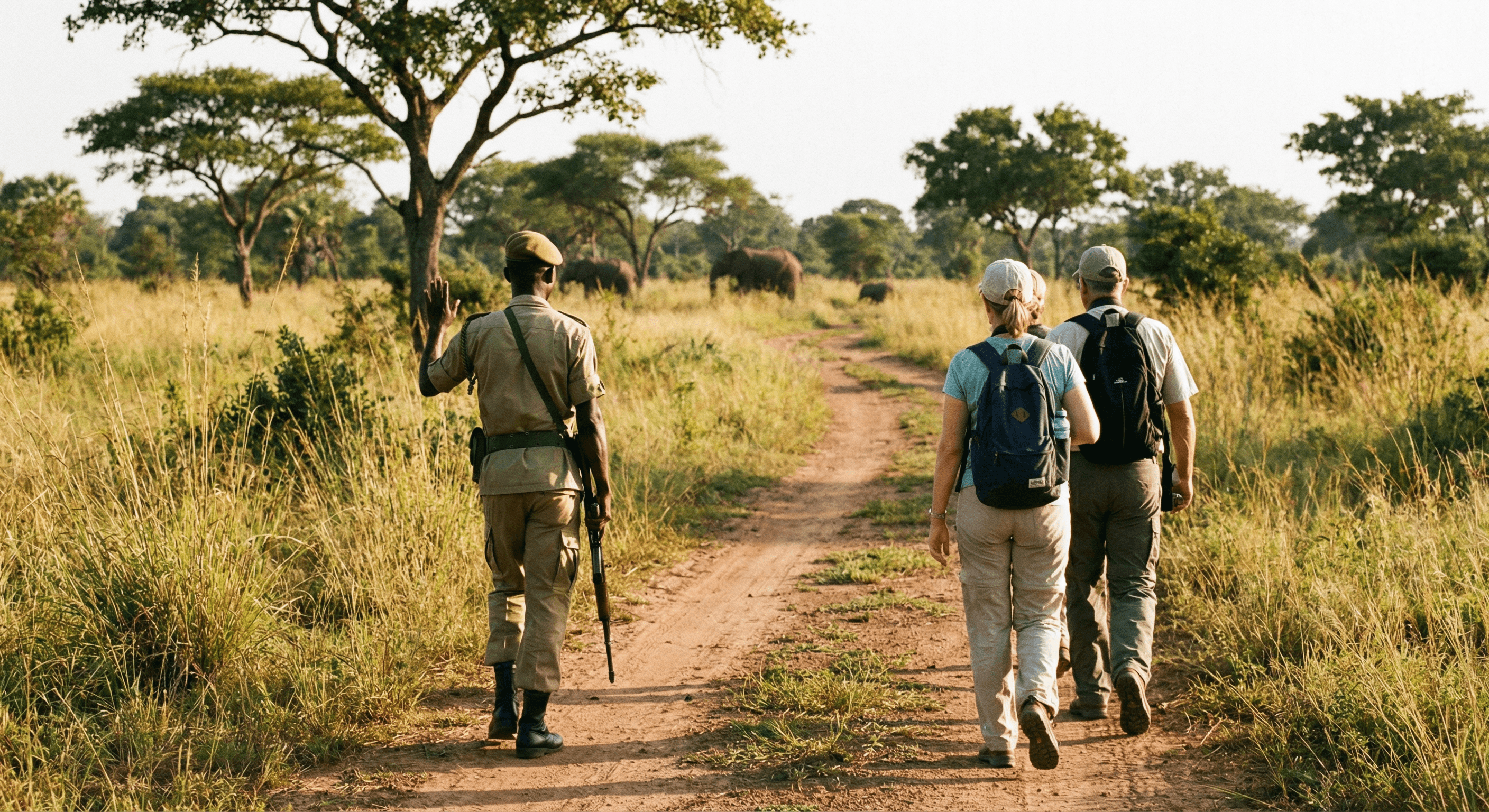
A guided walking safari with a park ranger—the standard and safest way to experience Ghana's parks on foot.
Wildlife Safety
Ghana's parks are home to elephants, antelope, primates, and in some areas hippos and other species. Wildlife safety comes down to viewing from a safe distance and following your guide. Never approach, feed, or attempt to touch animals. In Mole, game drives keep you in the vehicle unless you're on an official walking safari with rangers.
Elephants can be unpredictable; your guide will position the vehicle at a safe distance. At Kakum, the canopy walkway is designed for visitor safety—stay on the path and follow capacity limits. At Shai Hills, baboons are used to people but can be bold; do not feed them and keep a respectful distance. Following these basics keeps both you and the wildlife safe.
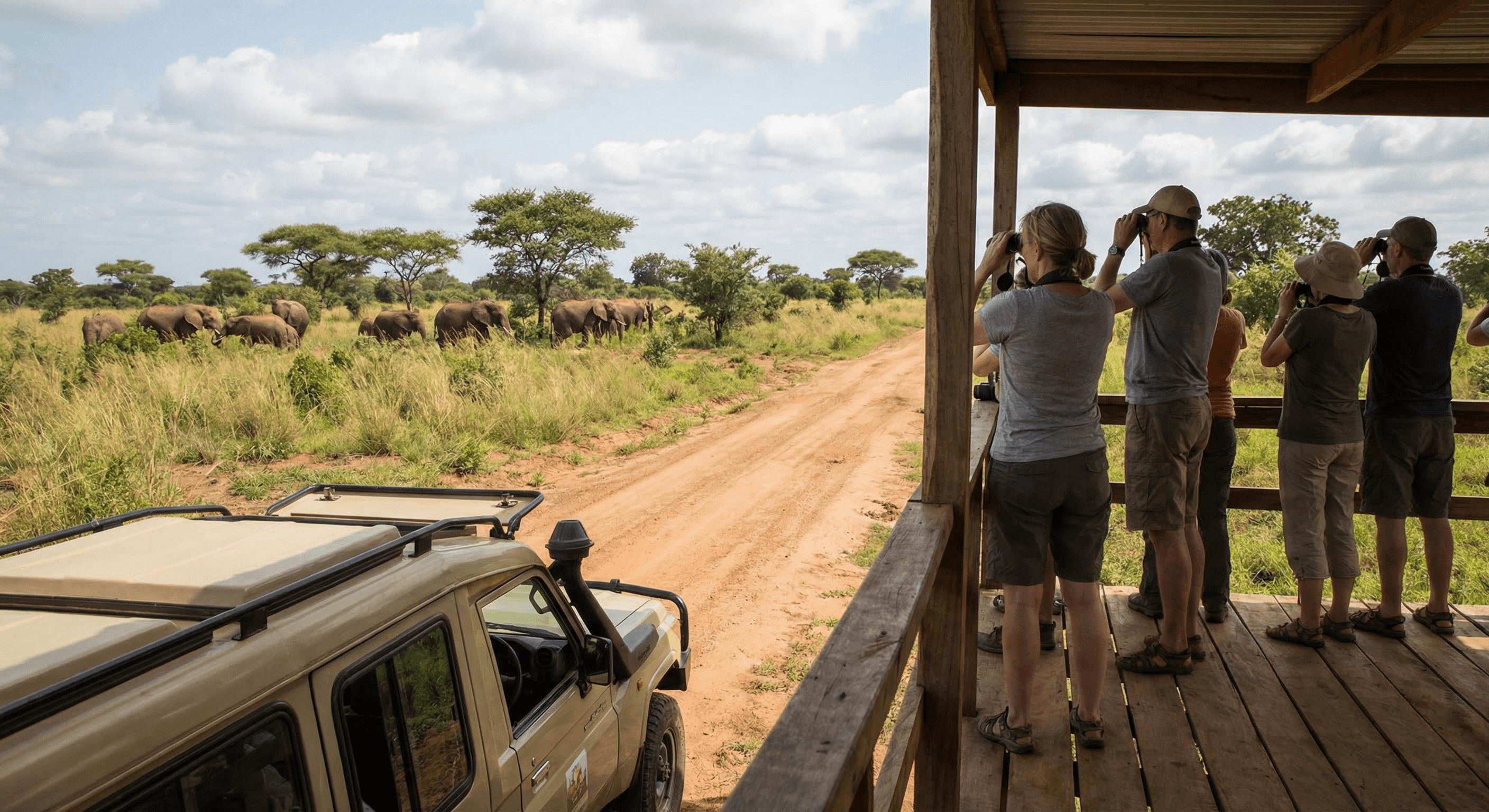
Viewing elephants from a vehicle or lookout at a safe distance—the recommended way to enjoy wildlife in Ghana.
Common Risks and How to Stay Safe
The main risks for safari travelers in Ghana are not from wildlife but from roads, health, and petty crime. Road conditions can be poor outside cities; night driving is riskier. Use day travel where possible and reputable drivers or tour companies. Malaria is present—take prophylaxis, use repellent, and sleep under a net where advised.
In cities like Accra, petty theft and pickpocketing can occur in crowded areas. Keep valuables out of sight, use a money belt or secure bag, and avoid walking alone in unfamiliar areas at night. Tap water is not safe to drink; use bottled or filtered water. With these precautions, most visitors have a safe and enjoyable trip.
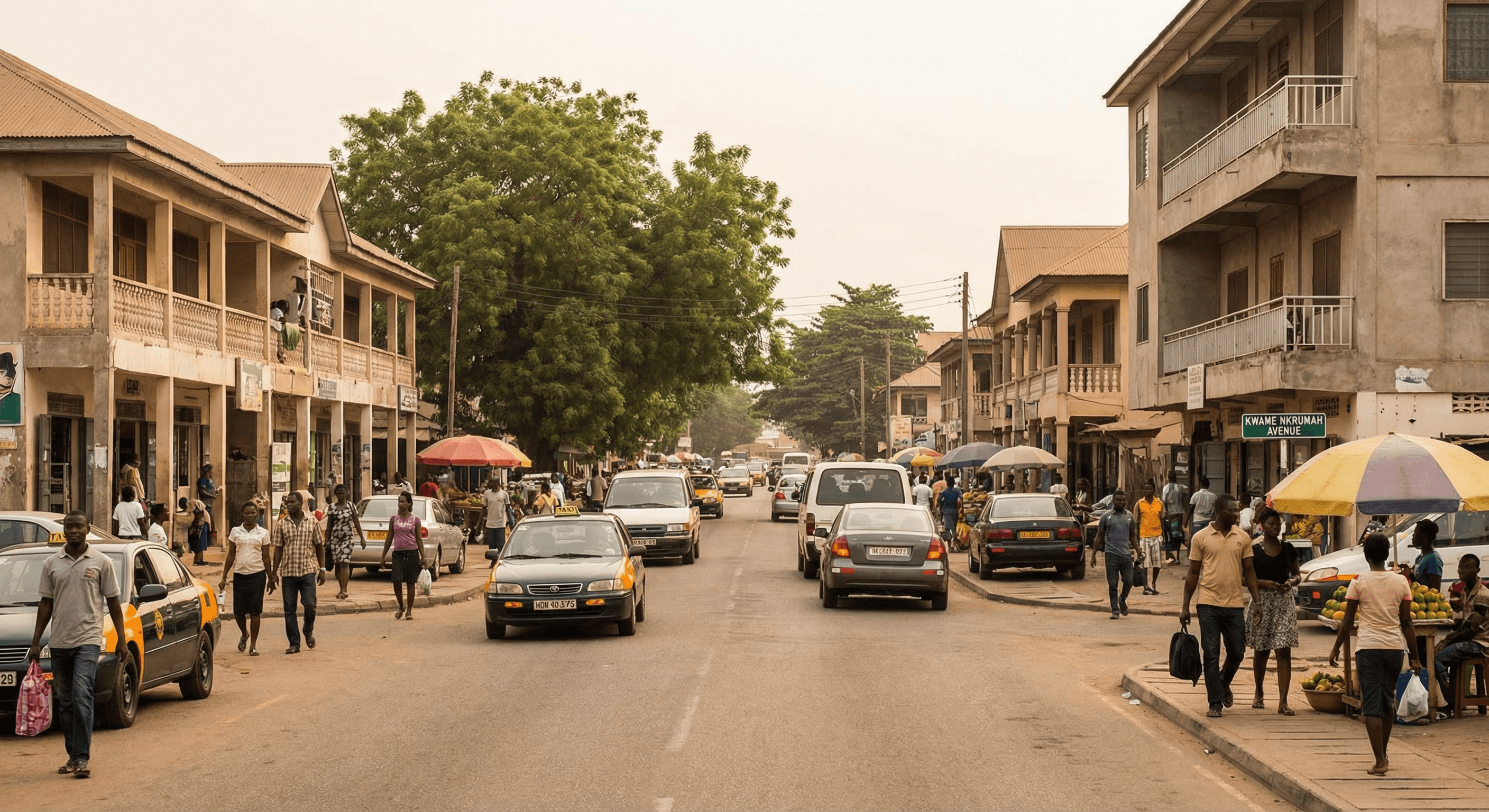
A typical street in Accra—stay aware of belongings and use common sense in urban areas.
Best Time to Visit for Safety and Comfort
The dry season (roughly November to March) is often cited as the best time for safari in Ghana: wildlife is easier to see, and roads are generally in better shape. From a safety and comfort perspective, dry-season travel can mean fewer road delays and less mud. That said, rainforest parks like Kakum can be visited year-round with appropriate clothing and insect protection.
Plan around the best time to visit Ghana for wildlife and weather, and book guides and accommodation in advance so you're not left without options. Having a clear itinerary and reliable transport also supports a safer, smoother trip.
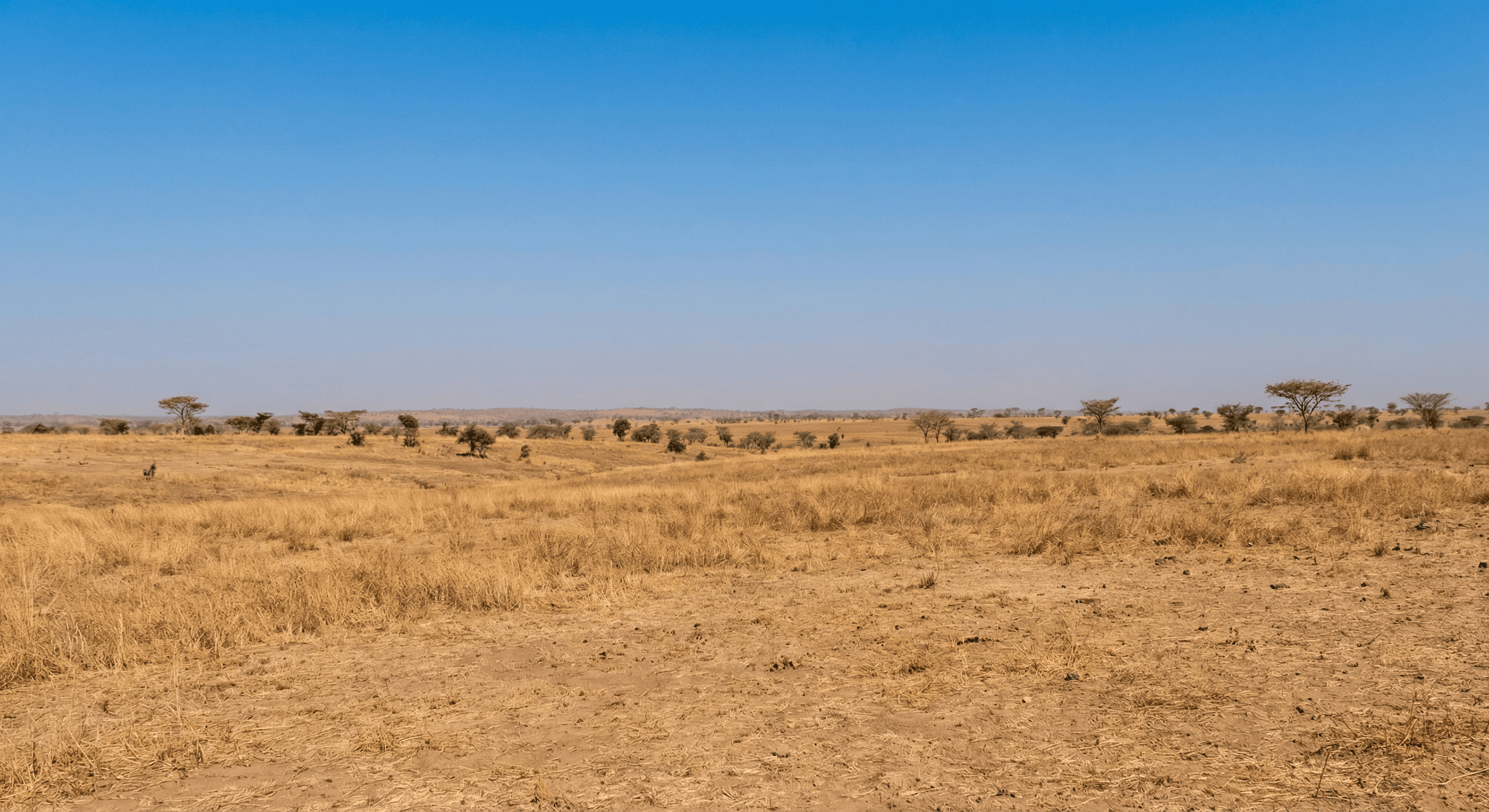
Dry-season savanna—typically easier for road travel and game viewing.
Park Infrastructure and Guided Experiences
Ghana's main safari parks have established infrastructure. Kakum's canopy walkway is a fixed structure with trained staff; Mole has designated roads and viewing areas. Shai Hills runs guided drives and walks. Using these facilities as intended and staying with your guide keeps risks low and helps protect the environment.
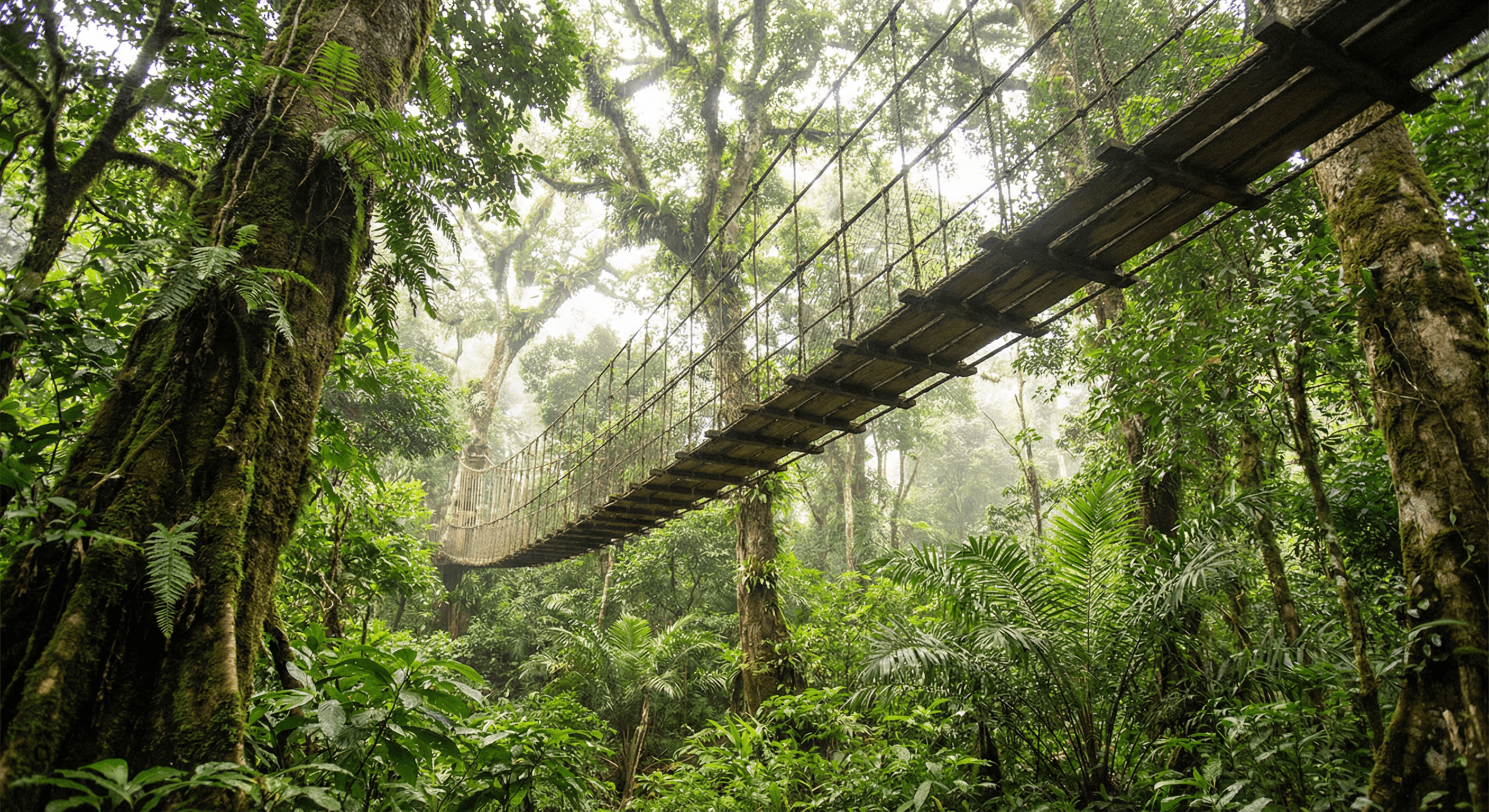
The suspended walkway at Kakum—a safe, ranger-managed way to experience the rainforest canopy.
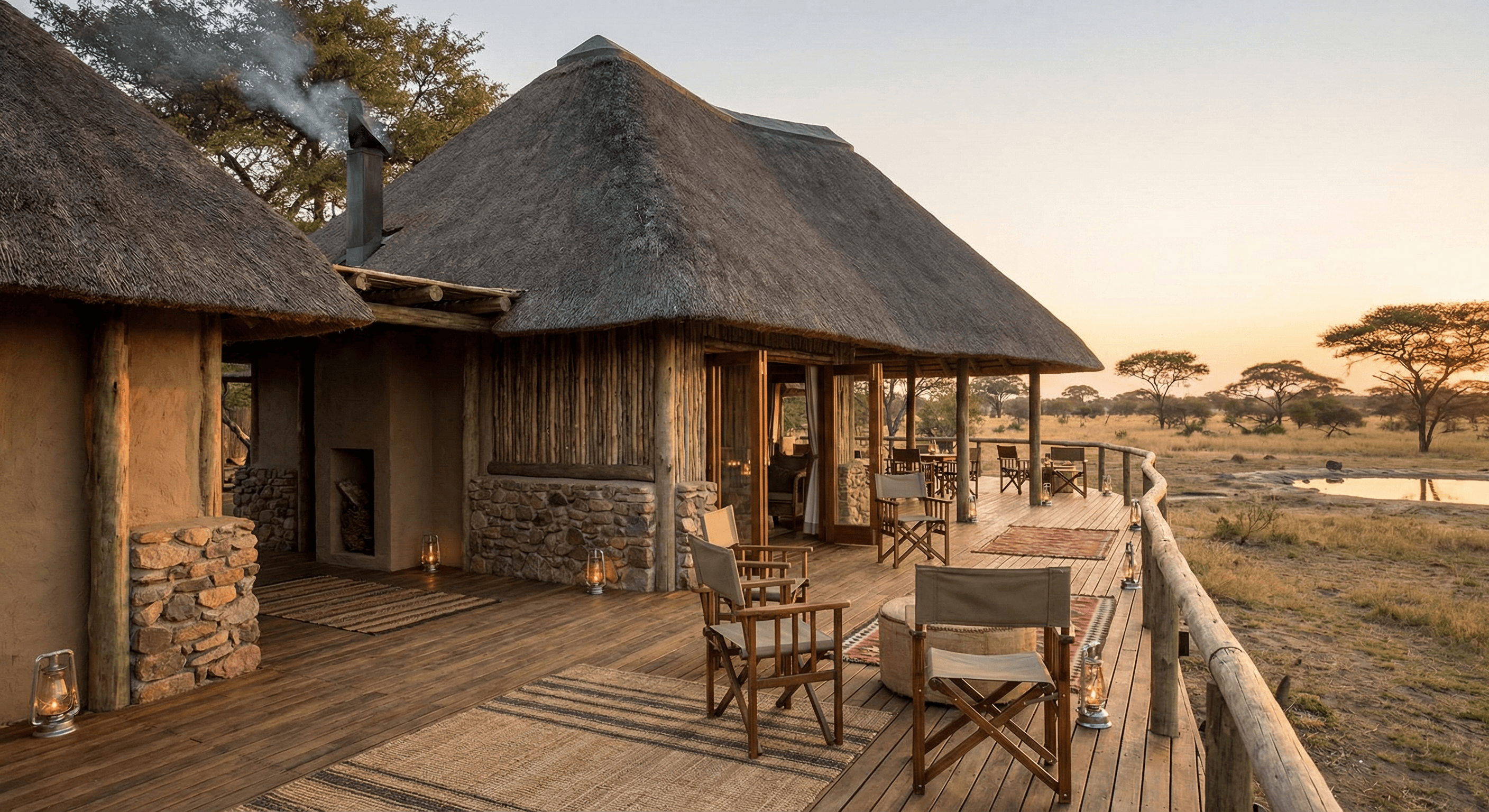
Lodges near Mole and other parks offer a secure base for early game drives and guided activities.
Conclusion: Is Ghana Safe for Safari Travelers?
Yes—Ghana is safe for safari travelers when you use common sense and follow the advice above. Book with reputable tour operators and lodges, stay with your guide in parks, take health precautions, and look after your belongings in cities. Thousands of visitors enjoy Mole, Kakum, Shai Hills, and the rest of Ghana each year without serious issues.
Plan your route with our Where to Go guide and Plan Your Safari page. For accommodation near parks, [Affiliate Link Here] – compare lodges and hotels. With a bit of preparation, your Ghana safari can be both safe and unforgettable.